Boycott or Buy? The Real Choice for Economic Power: Redefining Impact
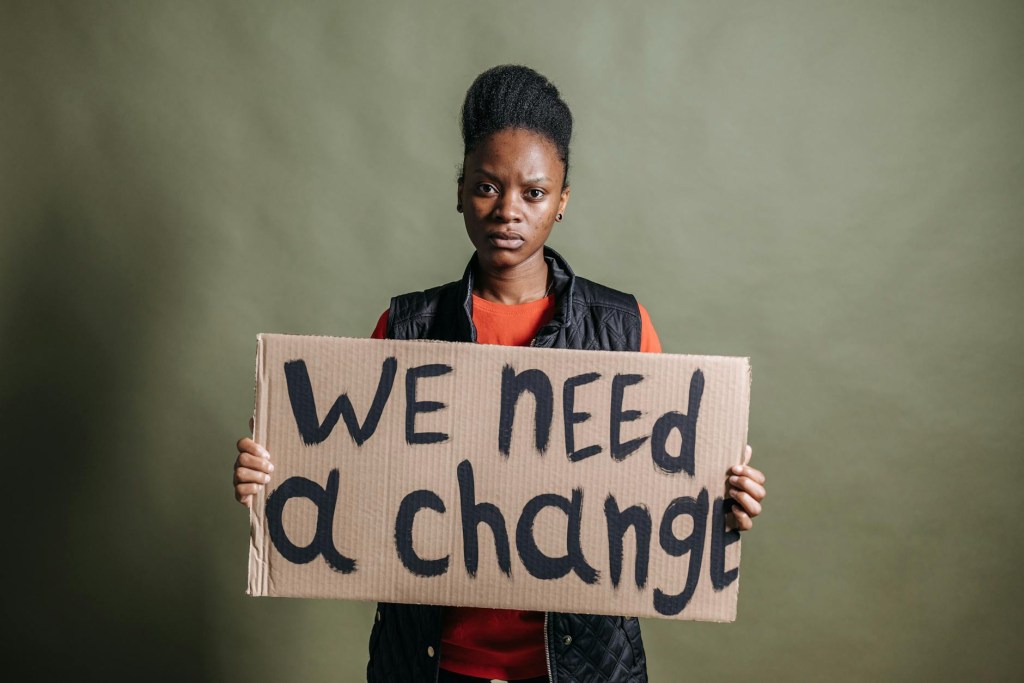
Lately, there’s been a lot of talk about boycotting companies that have moved away from DEI initiatives. But every time I hear these conversations, I ask myself:
Why boycott when you can buy?
Boycotting might send a message, but does it create lasting power? If the goal is true influence, ownership is the real answer. If you want to impact a company, own it. And when I say own it, I mean buy shares, gain voting power, and have a seat at the decision-making table.
So, the real question is: Do we want temporary protest, or do we want long-term control?
Boycotting Without Ownership Leaves You Powerless
Every time a major corporation makes a decision that doesn’t align with certain values, people call for a boycott. But here’s the issue:
• What happens when there’s no viable alternative?
• If you boycott a company but still need their product or service, you eventually have to go back—often under the same conditions that caused you to boycott in the first place.
• What happens when the boycott doesn’t change leadership?
• Boycotting might hurt short-term revenue, but it doesn’t give you a voice inside the company.
• Stockholders and board members make the real decisions, not the customers who come and go.
This is why traditional DEI efforts have failed—because they focused on hiring and representation instead of equity and ownership (which I wrote about in my last blog—check it out at TheChrisChaney.com).
If we’re serious about influence, we need to think beyond consumer activism and step into economic ownership.

The Power of Buying, Not Just Boycotting
This is where The Where Factor comes in:
• Where do we want to go?
• A place where economic influence isn’t just about spending but about owning.
• Why is that important?
• Because protests don’t create wealth—ownership does.
• The Black community alone spends $1.3 to $1.6 trillion per year. If even a fraction of that were directed toward ownership, it could shift corporate dynamics completely.
• What steps can we take to get there?
• Instead of simply boycotting, invest in the companies you interact with daily.
• Use moments of corporate controversy as buying opportunities—if their stock drops due to public backlash, that’s an entry point for ownership.
Boycott or Buy—What’s the Smartest Move?
Option 1: The Boycott Approach
✅ Sends a temporary message
❌ Doesn’t change company leadership
❌ Leaves consumers without alternative options
❌ No long-term financial benefit
Option 2: The Ownership Approach
✅ Allows for shareholder influence and voting rights
✅ Creates generational wealth
✅ Positions communities as decision-makers, not just consumers
✅ Turns corporate missteps into opportunities for investment
If the goal is to impact these corporations, the smartest move is to own shares, not just protest their policies.
So, I’ll ask you: What’s the real strategy—boycott or buy?
Take a moment and apply The Where Factor to this decision:
• Where do you want your economic influence to go?
• Why does ownership matter more than temporary outrage?
• What’s one step you can take today to shift from consumer to shareholder?
Drop your thoughts in the comments or share your experience—I’d love to hear how you’re thinking about economic power and ownership.

Key Takeaway:
Boycotting sends a message, but buying builds power. Instead of walking away from companies, consider buying into them. Ownership creates real influence—because shareholders shape decisions, not consumers who come and go. If economic power is the goal, the real choice is simple: Boycott or Buy?
📖Where Why What: Unlock the Secret to Clarify Your Goals – Learn how to clarify your vision, take intentional action, and achieve your dreams.
📖 The Where Factor: From Adoption to Entrepreneurship – A powerful book aligning past, present, and future for success.
– Don’t wait—Start your journey today:
 www.TheChrisChaney.com
Leave a comment